MANDALUYONG CITY — In many parts of the Philippines, the journey to the nearest hospital can feel like a race against time. For families without a private vehicle—and in communities where tricycles or jeepneys are the only options—getting urgent care often becomes its own quiet emergency.
This is why today’s turnover of 10 additional Patient Transport Vehicles (PTVs) marks more than just another government handover. It is a step toward ensuring that every Filipino community, from major cities to far-flung barangays, has a reliable way to bring patients safely to where care awaits.
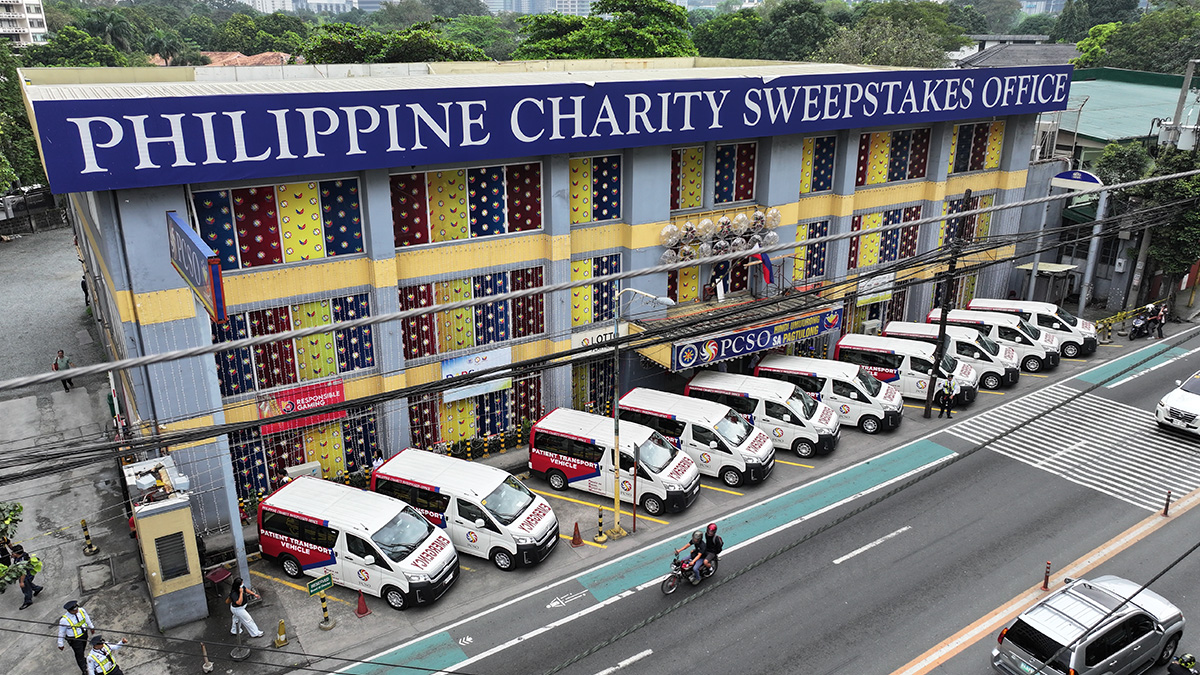
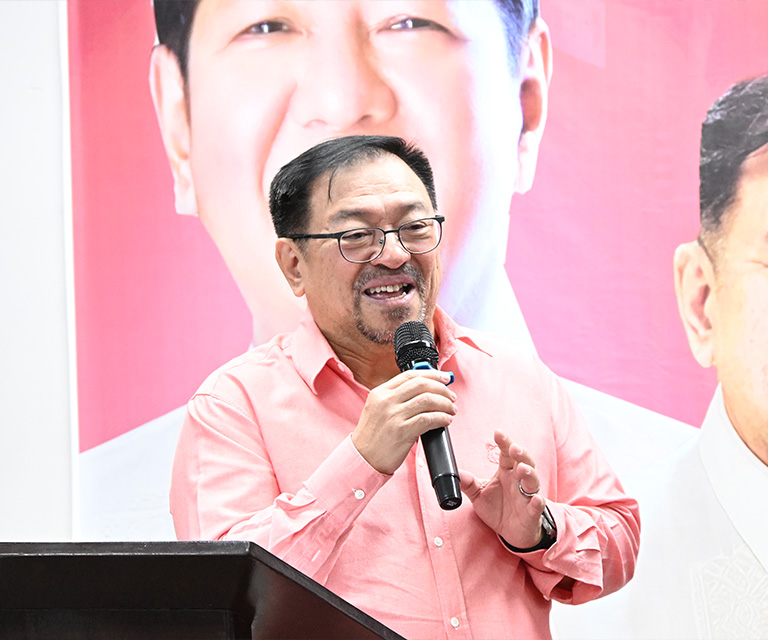
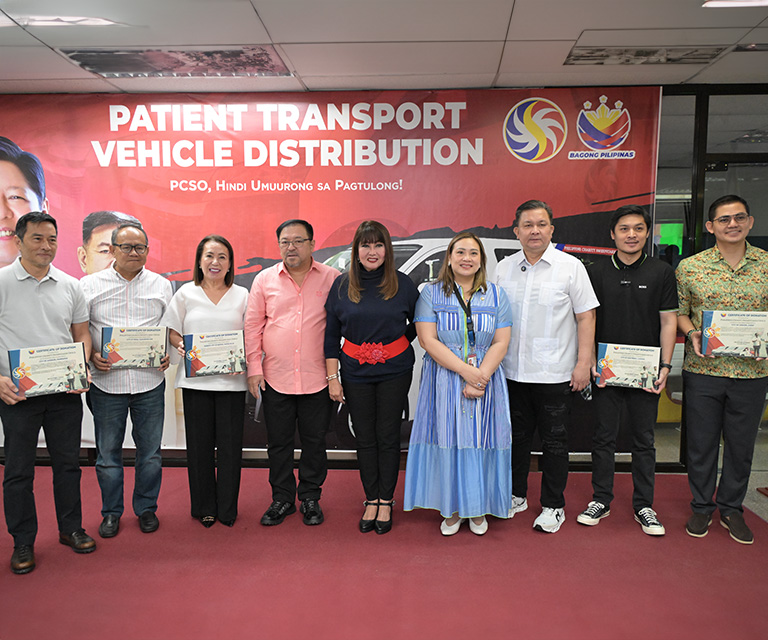
Held at the Conservatory Building in Mandaluyong City, the turnover forms part of the Philippine Charity Sweepstakes Office’s (PCSO) ongoing rollout under the Medical Transport Vehicle Donation Program (MTVDP). This initiative aligns with President Ferdinand R. Marcos Jr.’s push for universal access to emergency medical support across all local government units (LGUs).
Emergency Support That Meets People Where They Are
Each PTV is equipped with practical, lifesaving essentials: a stretcher, oxygen tank, wheelchair, blood pressure monitor, first-aid kit, and medicine cabinet. These tools make a crucial difference in the very moments when a life can change—moments that don’t wait for perfect circumstances or convenient timing.
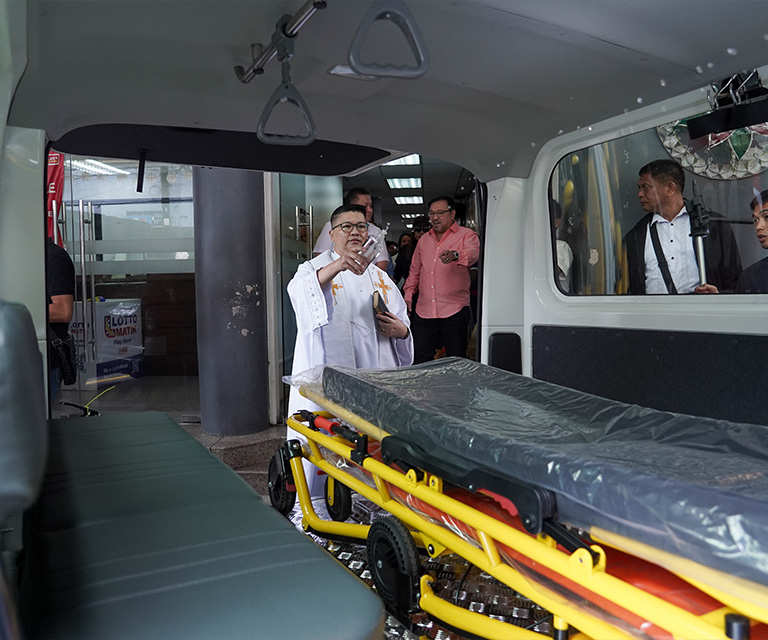
Across remote barangays and densely populated cities alike, these vehicles have already become a dependable presence. They are the quiet responders during late-night medical scares. Additionally, they serve as the steady ride for mothers in labor. They are also the critical bridge for patients battling stroke, injury, or severe fever.
Reaching 99% of the Country
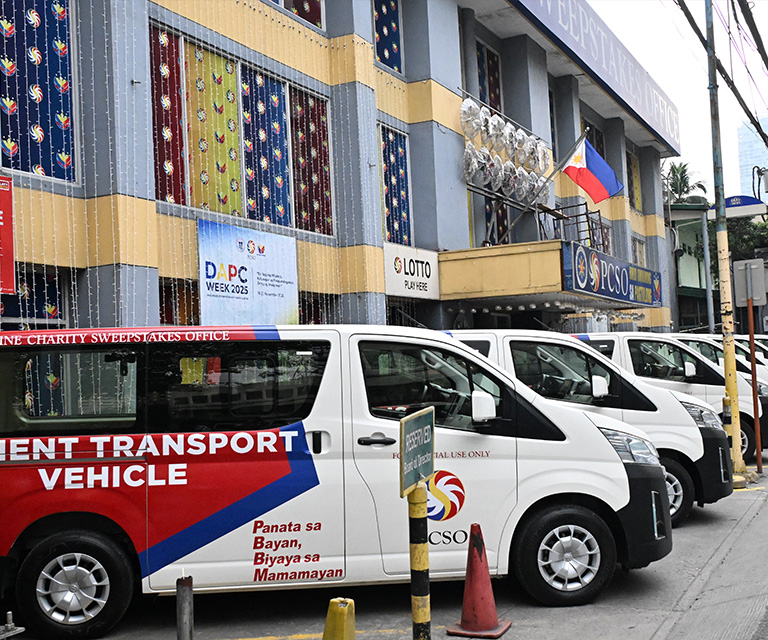
This year marked a major leap for the program. Earlier this week, a large batch of 82 PTVs was turned over in Bacolod City, pushing national coverage to 98%. With today’s turnover, the total climbs to 1,630 units—reaching 99% of the country’s 1,642 LGUs.
The newest units were turned over to San Pedro City, Calapan City, Legazpi City, Ilagan City, Malolos City, Muñoz City, San Jose City, Olongapo City, Iriga City, and Angeles City.
What began as 680 units in 2022 has grown into a nearly complete nationwide emergency transport network. It was steadily built, province by province, and city by city.
A Program Built on Urgency and Need
For many local officials, having a dedicated PTV is transformative. It eliminates difficult choices—like waiting for daylight, hiring private transport, or relying on unfit vehicles during a crisis. It gives local health workers a dependable partner in serving their communities. And for countless families, it offers reassurance that help isn’t far away.
As one rural health nurse shared in a previous turnover event, “People breathe easier knowing we have something ready. Sometimes that alone saves a life.”
Looking Ahead: Completing the Last Mile
For 2025, PCSO has set aside ₱1 billion to procure an additional 395 PTVs, aiming to achieve 100% national coverage by year-end. This final stretch is expected to close the gap for remaining municipalities and cities still awaiting their units.
In a country where geography, traffic, and limited resources often complicate access to care, every new PTV delivered is a commitment fulfilled—and a reminder that public service matters most when it meets people at their most vulnerable moments.
Read more Stories on Simpol. ph
The ₱102 Million Moment: Luck, Life, and Lessons from a Lotto Win
Wheelchairs, Nebulizers, and a Quiet Kind of Help
On Simpol this Week: Hope, In All Its Forms– A City, A Win, A Moment